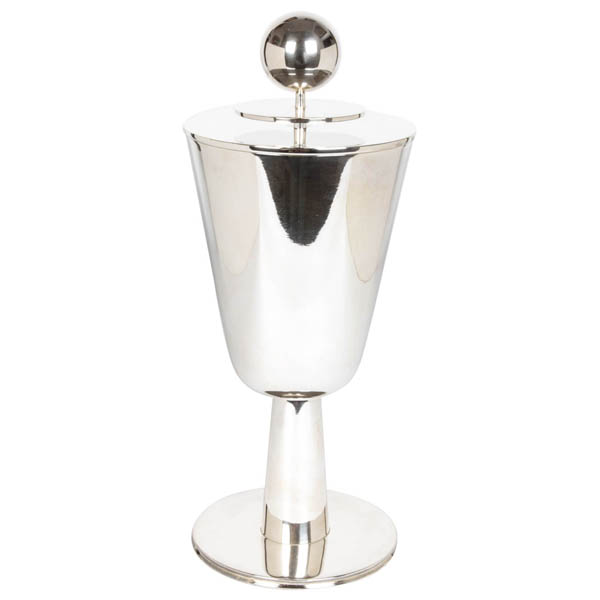
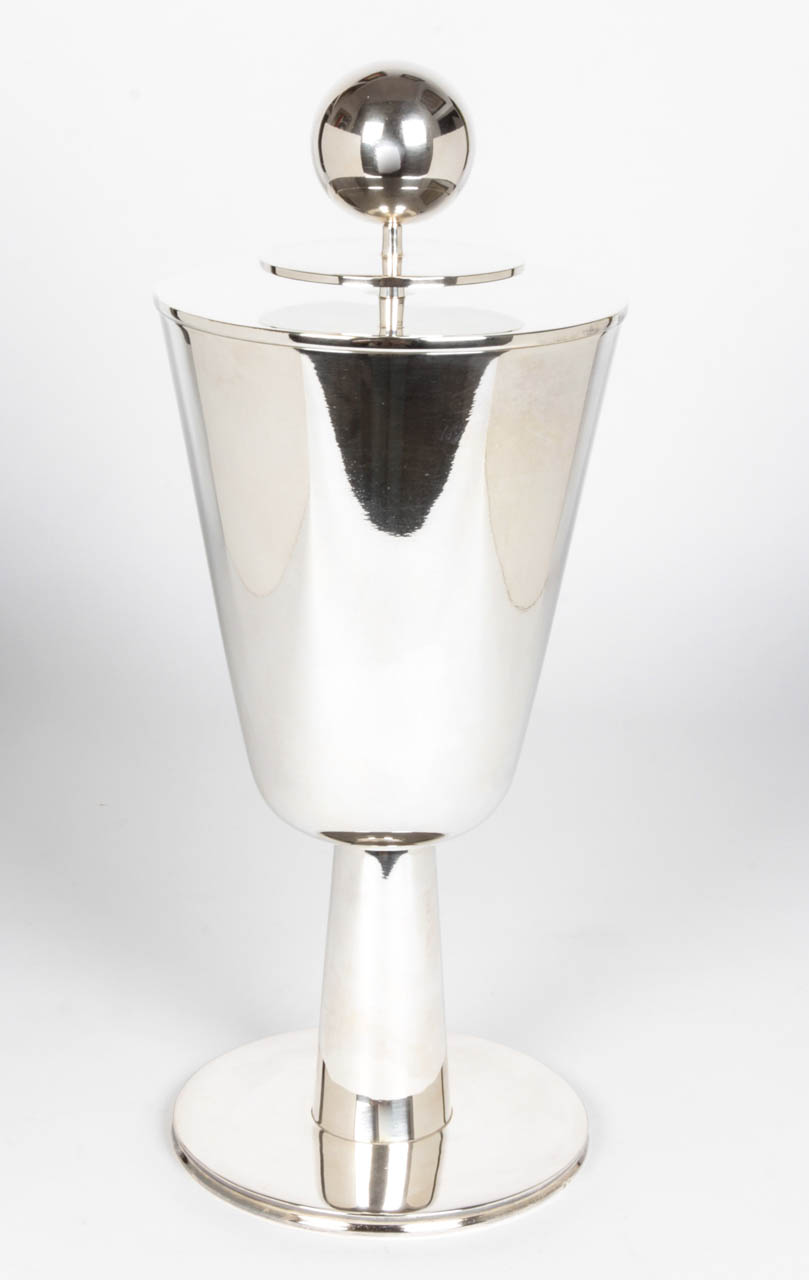
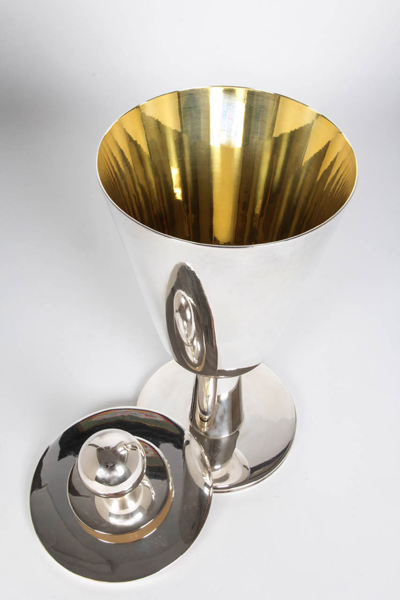
Breuhaus de Groot / WMF Ikora Germany Art Deco Rare "Pokal" Covered Footed Cup 1928
More Information
Breuhaus de Groot / WMF Ikora Germany Art Deco Rare “Pokal” Covered Footed Cup 1928
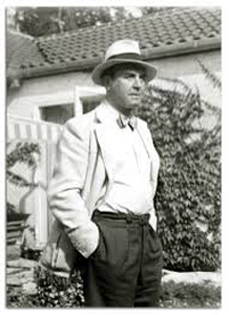
FRITZ AUGUST BREUHAUS DE GROOT (1883-1960) Germany
WMF [WÜRTTEMBERGISCHE METALLWARENFABRIK] Geislingen
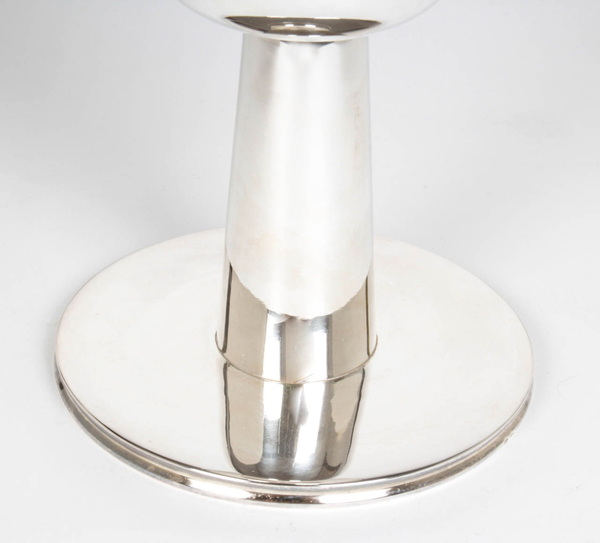
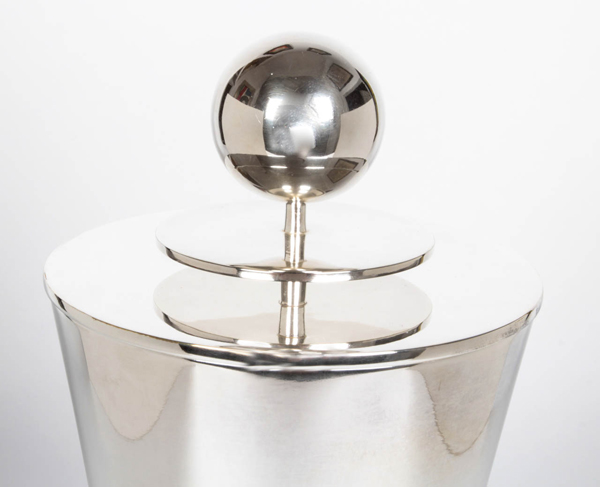
“Pokal” Covered footed cup ( model no. Br 6 )1928
Silverplated brass, model no. Br 6
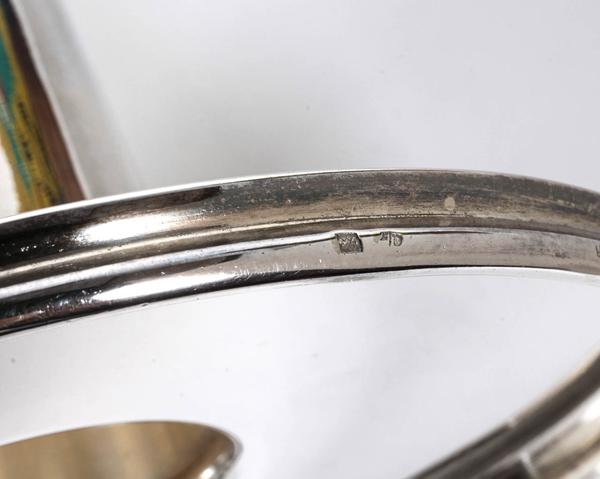
Marks: WMF insignia (touchmark), x/o
Illustrated: Goldschmiedekunst 49, (1928) m. Abb; Deutsche Kunst und Dekoration 63, (1928/29) Abb S 353; Metallkunst: Kunst vom Jugendstil zur Moderne (1889-1939), Karl H. Bröhan, Band IV (Berlin: Bröhan-Museum, 1990) n. 610, p. 571; WMF Ikora Metall / Metalwork, Carlo Burschel and Heinz Scheiffele (Stuttgart, Germany: ARNOLDSCHE, 2006) pp.12,19,34.
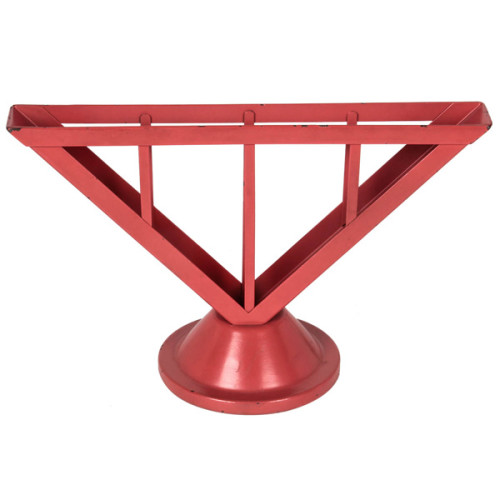
Salmon enameled metal napkin holder in a triangular form
Marks: RUPPEL (in a circle) mehrfach geschützt
Illustrated: Avantgarde Design 1880-1930, Torsten Bröhan, Thomas Berg (Cologne: Benedikt Taschen, 1994) p. 105.
For other works by Brandt for Metallwarenfabrik Ruppelwerk see: Die Metall Werkstatt am Bauhaus, (Berlin: Bauhaus-Archiv, Museum für Gestaltung, 1992) pp. 180-183; Die Metall Werkstatt am Bauhaus, (Berlin: Bauhaus-Archiv, Museum für Gestaltung, 1992) pp. 181-3;
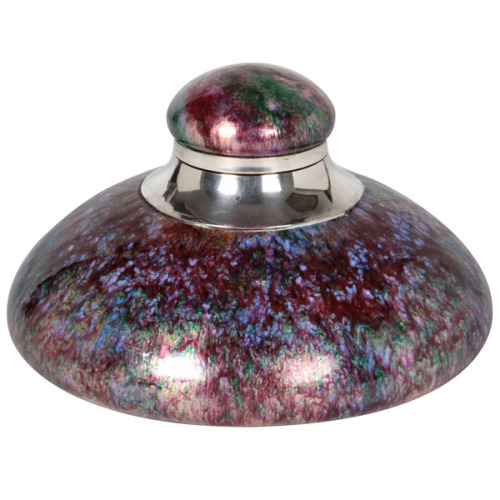
Paul Haustein Germany Rare Jugendstil enamel and silver inkwell c.1900
PAUL HAUSTEIN (1880-1944) Germany
HERMANN BEHRND (b. 1849) SILBERWARENFABRIK (silver) Dresden, Germany
JAKAB RAPOPORT (enamelist) Budapest, Hungary
Inkwell c. 1900
Multicolored burgundy, purple, blue and green enamel with silver mounts, glass insert
Marks: Moon, crown, 800, HB (Hermann Behrnd mark)
Same model with variant mount illustrated: Deutsche Goldschmiede-Zeitung, n.d. (circa 1903-05), p. 23
For related works and more information see: Art Nouveau in Munich: Masters of Jugendstil, ed. Kathryn Bloom Hiesinger (Philadelphia: Philadelphia Museum of Art, 1988) pp. 67-69; Jugendstil in Dresden, Aufbruch in die Moderne, Gisela Haase et al., exh. cat. (Dresden: Staatliche Kunstsammlungen Dresden; Wolfratshausen: Edition Minerva, 1999).
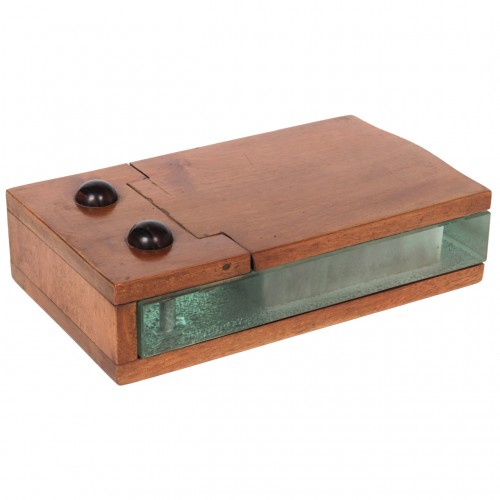
Alexandre Noll rare and early Art Deco mahogany and glass box c. 1930
ALEXANDRE NOLL (1890-1970) France
Covered box c. 1930
Mahogany with ebony peg details and 1 ¼ inch thick Saint-Gobain glass.
Marks: ANoll
Provenance: Private Collection New York, Galerie de Beyrie Paris, Odile Noll (A. Noll’s daughter), Alexandre Noll Estate
For more information see: Alexandre Noll, Olivier Jean-Elie, Pierre Passebon (Paris:Edition du Regard, 1999); Alexandre Noll: Les Matres de L’ Art Decoratif Contemporain, Collection dirigée par R. Moutard-Uldry edited by (Geneve: Pierre Cailler, 1954); Le Mobilier du Xxe Siécle: Dictionnaire des
Créateurs, Pierre Kjellberg (Paris: Les Éditons de l’Amateur, 1994) p. 455-456.


 @hd_jewels