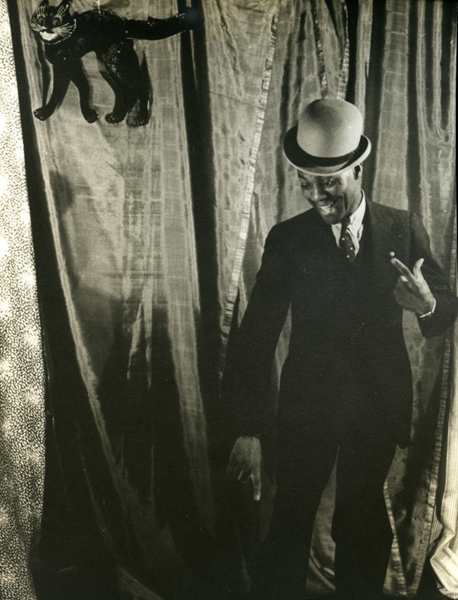
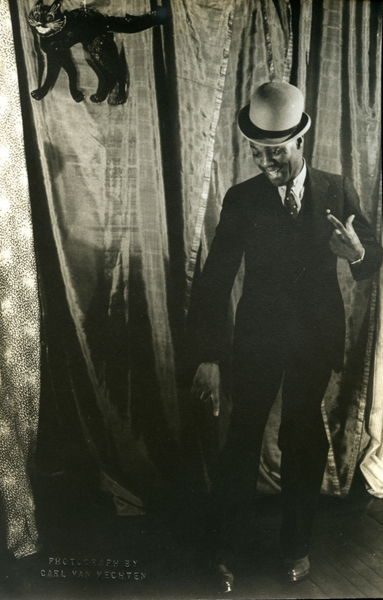
Signed: Bill Robison, XXV . b . 25 (in ink on back); PHOTOGRAPH BY CARL VAN VECHTEN, 101 CENTRAL PARK WEST, CANNOT BE REPRODUCED WITHOUT PERMISSION (ink stamp on back)
Size: H: 9 15/16” x W: 6 3/8”
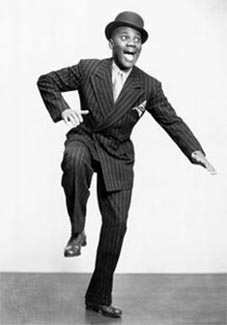
Bill “Bojangles” Robinson (1878-1949) was a pioneer and pre-eminent African-American tap dance performer.
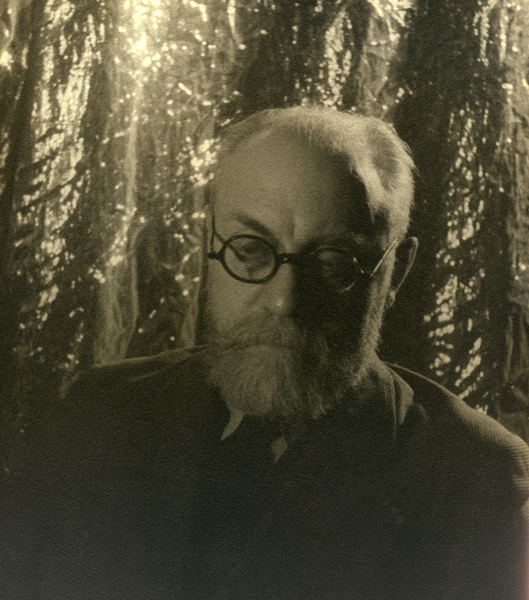
Signed: Henri Matisse (in pencil on back); May 30, 1933, XXIII c:10 (in red ink on back); PHOTOGRAPH BY CARL VAN VECHTEN, CANNOT BE REPRODUCED WITHOUT PERMISSION (blue ink stamp on back)
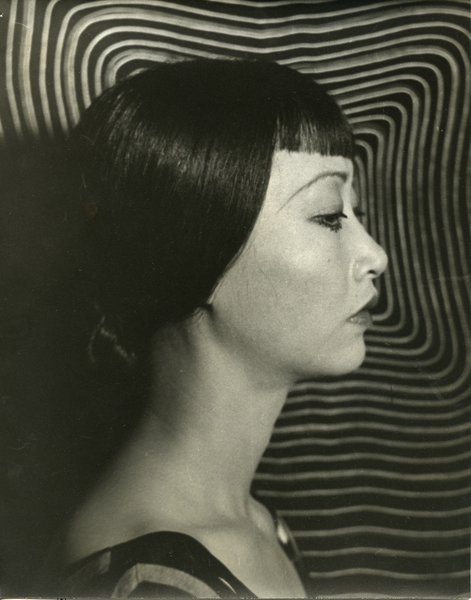
Signed: Anna May Wong 1932 (in pencil on back); PHOTOGRAPH BY CARL VAN VECHTEN CANNOT BE REPRODUCED WITHOUT PERMISSION (ink stamp on back)
Size: H: 9 7/8”x W: 7 7/8”
Anna May Wong (1905 – 1961) was the first Chinese American actress to become a movie star in a career that spanned both the silent movie era and the advent of the talkies, along with starring roles on the stage, and in radio and television, even hosting her own television show at one point. This is all the more remarkable considering the racist times in which she worked. Many Asian actresses have been acclaimed since, under less adverse conditions, but none have reached Wong’s level. Some of her more notable silent movies include a leading role in The Toll of the Sea, one of the first color movies, The Thief of Bagdad, which starred Douglas Fairbanks, and Piccadilly. She was also featured in some notable talkies, including Shanghai Express, which co-starred Marlene Dietrich, and Daughter of the Dragon, in which she starred opposite an Asian leading man, Sessue Hayakawa. Early in her career, she was seen as a sex symbol, a feat other Asian actresses would not match for decades.
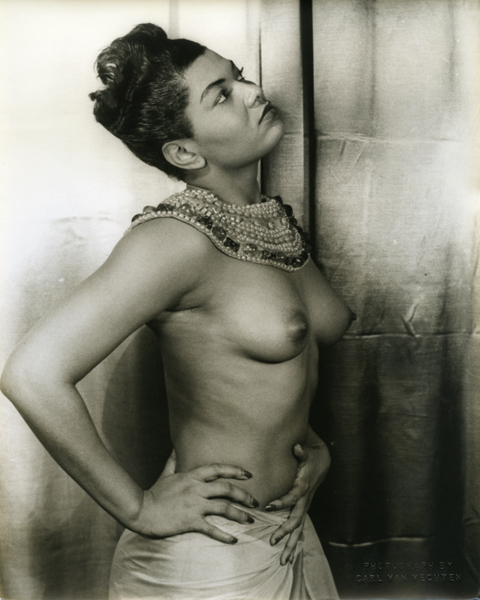
Signed: PHOTOGRAPH BY CARL VAN VECHTEN, 101 CENTRAL PARK WEST, CANNOT BE REPRODUCED WITHOUT PERMISSION (ink stamp on back); VII . CC . 12 (in ink on back)
Size: H: 9 15/16” x W: 7 15/16”
Pearl Mae Bailey (March 29, 1918 – August 17, 1990) was an American singer and actress. After appearing in vaudeville, she made her Broadway debut in St. Louis Woman in 1946. She won a Tony Award for the title role in the all-black production of Hello, Dolly! in 1968. In 1987, she won a Daytime Emmy award for her performance as a fairy godmother in the ABC Afterschool Special, Cindy Eller: A Modern Fairy Tale. Her rendition of “Takes Two to Tango” hit the top ten in 1952.
Carl Van Vechten (June 17, 1880 – December 21, 1964) was an American writer and photographer who was a patron of the Harlem Renaissance and the literary executor of Gertrude Stein. Van Vechten took photographs of many the major artists and intellectuals of the first half of the 20th century. The importance of these images is twofold; they document a specific time and milieu in 20th-century American history that was neglected by others, and they are among some of the earliest art photography images created.
Provenance: Gene Prakapas Gallery, New York, 1978.
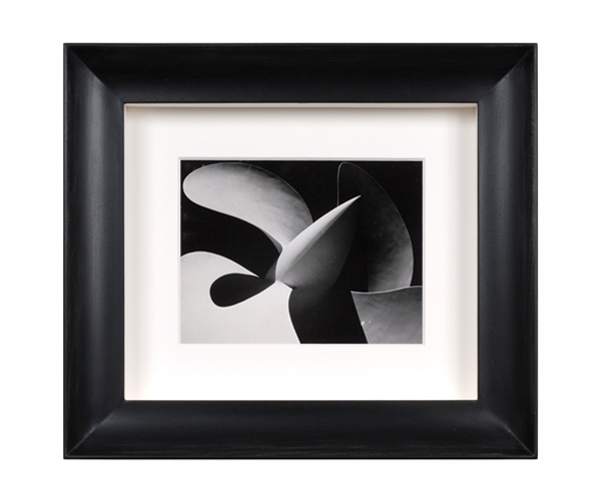
H: 7 1/16” x W: 9 ¼” (unframed)
H: 14 11/16” x 16 11/16” (framed)
Pierre Boucher came to photography as a result of the Nouvelle Vision and he explored photography as an experiment on all levels, photograms, collages, solarization and superimposition. He had a natural curiosity and a cultivated and sporty demeanor that led him to produce work as diverse as surrealist nudes and well-constructed advertisements. Whether it be in documentary photography or industrial photography, Pierre Boucher always awakens an empathy and a feeling of closeness with his subjects in the spectator.
Pierre Boucher got his start in advertising, taking his inspiration from the graphic techniques of the modernists in the field and contributing to the transformation of the advertising photo into a work of art. He used photomontage to make his work more striking and effective, making unnerving and astonishing.
Boucher’s nudes, on the other hand, use no technical prowess whatsoever. After the war the movement for freedom of the body led him to reconsider social models. Pierre Boucher revisited the female and male nude from several angles. Around 1931, he did his first nude photos under the umbrella of the “ New Objectivity ” : the image was boxed, the frame strict, the bodies freed from their faces. From 1933 onwards his nudes became surrealist inspired by the work of Man Ray. He then moved on to neo-classical nudes. In studio or in natural light his Apollonian nude aimed above all for beauty and harmony.



 @hd_jewels