Product Description
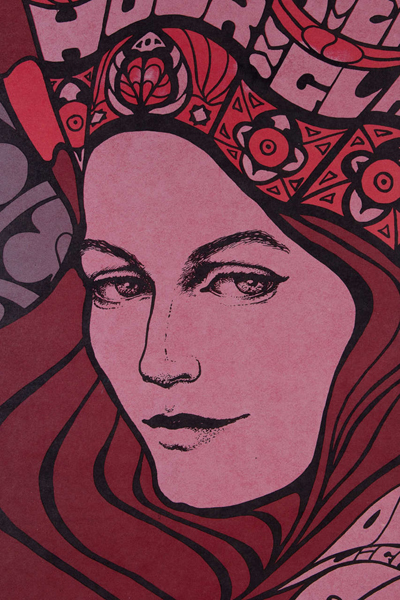
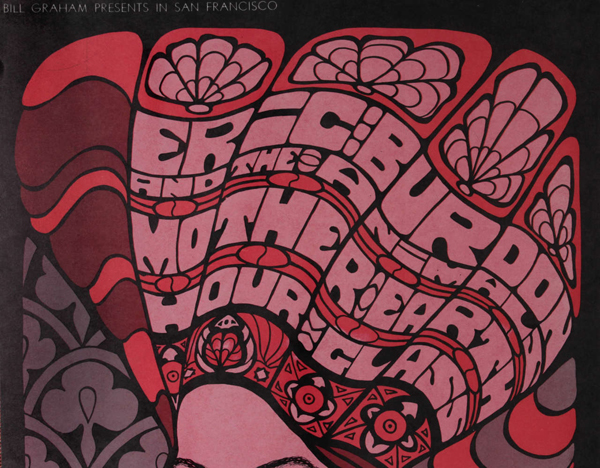
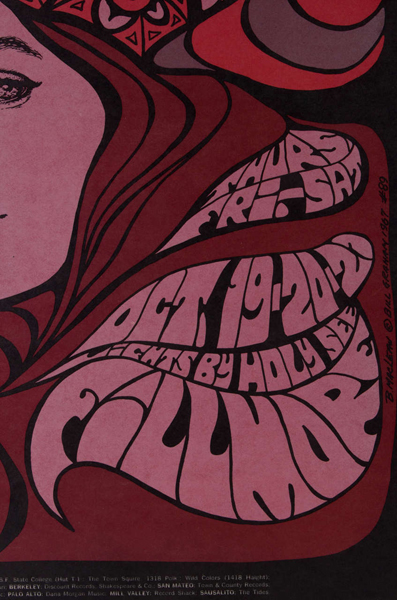
Bonnie Maclean, Eric Burdon & The Animals, Mother Earth, Hour Glass, Holy See at the Fillmore, October 19-21, 1967, 1st edition

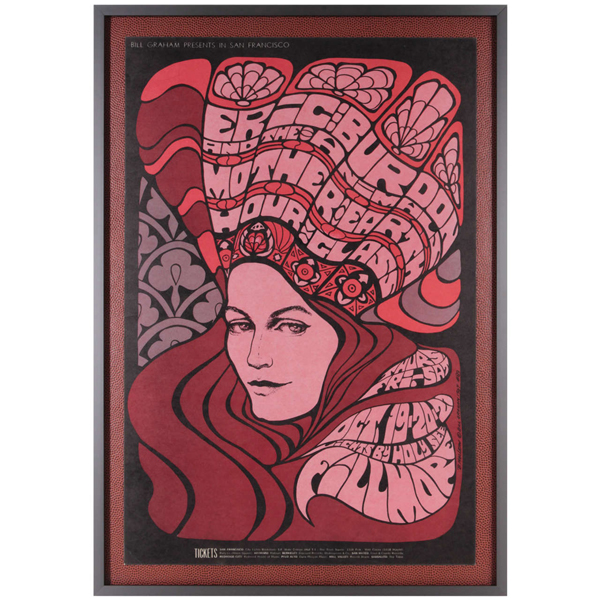
BONNIE MACLEAN USA
Eric Burdon & The Animals, Mother Earth, Hour Glass, Holy See at the Fillmore October 19-21, 1967
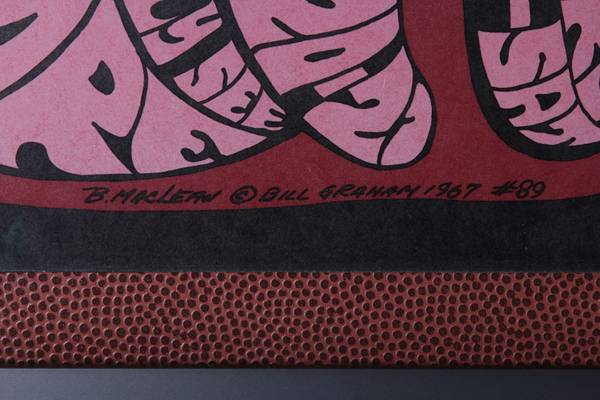
Marked: B. MacLean © Bill Graham 1967 #89
H: 21” x W: 14”
*** An example of this poster is in the permanent collection of the Museum of Modern Art in New York.
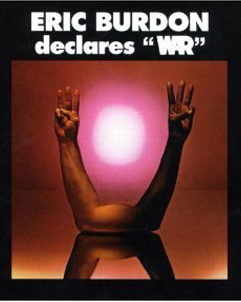
By 1967, Eric Burdon took the Animals into a harder, more psychedelic sound than the one listeners recognized from the band’s earlier incarnation. Burdon would later take this style even further when he teamed up with an obscure Los Angeles band known as War. The poster was printed only once before the concert
Bonnie Maclean, Eric Burdon & The Animals, Mother Earth, Hour Glass, Holy See at the Fillmore, October 19-21, 1967, 1st edition
GALERIE CARREFOUR 141Boulevard Raspail, Paris
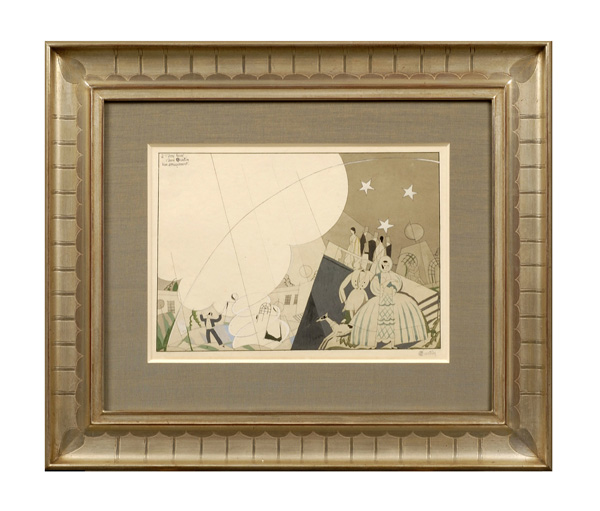
Vérité Collection Wood block print poster “ARTS PRIMITIFS, CARREFOUR, 141 BD RASPAIL, DAN 5803″ c. 1948
Float mounted in a finely contoured oak frame.
Inscribed to: A Monsieur E Mme Breton, Vérité Image dimension:
H: 19 1/2″ x W: 12 3/4″
Framed dimension: H: 26 3/4″ x W: 19 3/4”
Price: $9,000
The Vérité Collection of primitive arts started after World War 1 in 1920. Pierre Vérité, a young artist started buying primitive art before anyone else. Vérité opened a small store selling exclusively tribal art in 1931 in conjunction with the Paris Colonial Exposition. Pierre Vérité regarded “primitive arts” as art, and it is the raw power of these primitive pieces that changed the history of 20th-century European culture. In 1936, he opened the Galerie Carrefour on the Boulevard Raspail, which was a hangout for artists and collectors such as Pablo Picasso, Helena Rubenstein, Nancy Cunard and Andre Breton. Tribal art was one of the key influences on Pablo Picasso and he often dropped into Pierre Vérité’s Galerie Carrefour in Paris to buy masks and carvings from Africa and Oceania. Henri Matisse was also a regular visitor, as were other artists such as Fernand Léger and Maurice de Vlaminck, while Vérité used to browse Parisian flea markets with André Breton, Surrealism’s chief theorist. In the decades that followed the opening of the gallery, the Vérité family’s client list grew to include Hollywood stars and leading museum curators, as well as some of the greatest names in 20th-century art. Vérité very quickly became the most important art dealer for primitive arts. In the 1948, Pierre’s son Claude became increasingly involved in the gallery. He went on African expeditions, collecting objects and information, and took photographs to document his travels, while his wife Jeannine was running the gallery operations. With Claude and Jeannine joining the gallery, Galerie Carrefour showed at all “Art Primitifs” exhibitions in Europe and the United States. The gallery established itself as the most important player in tribal arts in the world and exhibited until the 1990’s.
ALEXANDER LIBERMAN (1912-1999) USA
MEYER SCHAPIRO PORTFOLIO 1974
Untitled 1973
Silkscreen, patinated bronze frame
Signed: A. Liberman 1973, Artist’s proof, 2RC (embossed on paper)
Canvas: H: 33” x W: 25 1/2”
Frame: H: 42 1/2” x W 33 1/2”
Portfolio of 12 works, Edition of 100
Price: $
Alexander Liberman’s family left the Soviet Union for London as exiles in 1921. Liberman studied there briefly before moving to Paris where he undertook philosophy and mathematics at the Sorbonne and architecture at the École des Beaux-Arts. In the 1930s Liberman designed stage sets, and worked on the staff of Vu, the first magazine illustrated with photographs. Although Liberman quickly earned the title of managing director, he left the magazine in 1936, and devoted himself to painting and writing. In 1941, he left Paris for New York. Again, he became involved in publishing after gaining employment at Vogue magazine. Twenty years later, in 1962, he became Editorial Director of all Condé Nast Publications, a position he held until he retired in 1994. During his time at Vogue, Liberman introduced 20th-century art to readers by using it as a backdrop for fashion shoots, as well as by profiling living artists in the magazine. As a painter, Liberman exhibited geometric circle paintings in galleries and museums around New York in the 1950s. Liberman also had an interest in sculpture, and began welding steel into public works in the late 1950s. These monochrome geometric sculptures are featured in over 40 cities worldwide.
1950’s ITALIAN DESIGN
Futurist pitcher c. 1950
Handwrought and hand hammered pewter in an overall footed ovoid form with a traingle form spout body and an elongated arching contoured handle
Marked: PELTRO with lion, MADE ITALIA
H: 15″ x W: 9″ x D: 4″
Price: $6,000
The 1958 classic film, Auntie Mame, starring Rosalind Russell, features this sculptural pitcher on the coffee table in the surrealist interior of Mame Dennis’ penthouse on Beekman Place #3, New York City.
S O G A T A New York, NY
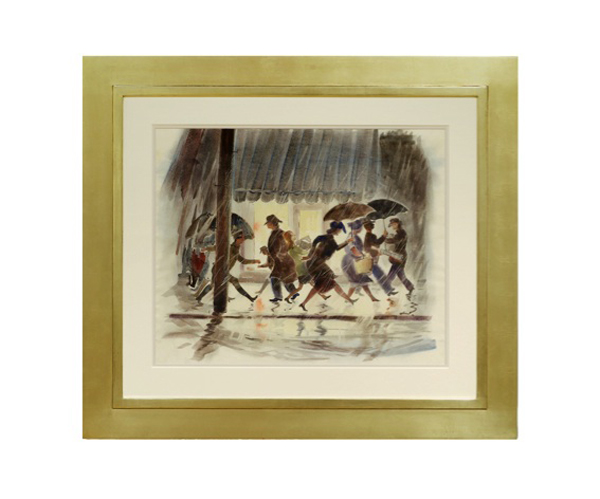
“Harlem: Cabaret” 1931
Watercolor and pencil on paper
Signed: SOGATA, HARLEM · 31(painted, lower right corner of image); HARLEM: CABARET. (in pencil beneath image on left)
For contextual history and similar art see: Rhapsodies in black : art of the Harlem Renaissance,(Berkeley: University of California Press, 1997); Harlem Renaissance Artists. Jordan, Denise (Chicago: Heinemann Library, 2003).
Image H: 11″ x W: 7 3/4″
Frame H: 19 1/4” x W: 16”
*This SOGATA New York Watercolor and pencil on paper has been gifted to The Wolfsonian – FIU, Miami Beach, FL.