Product Description
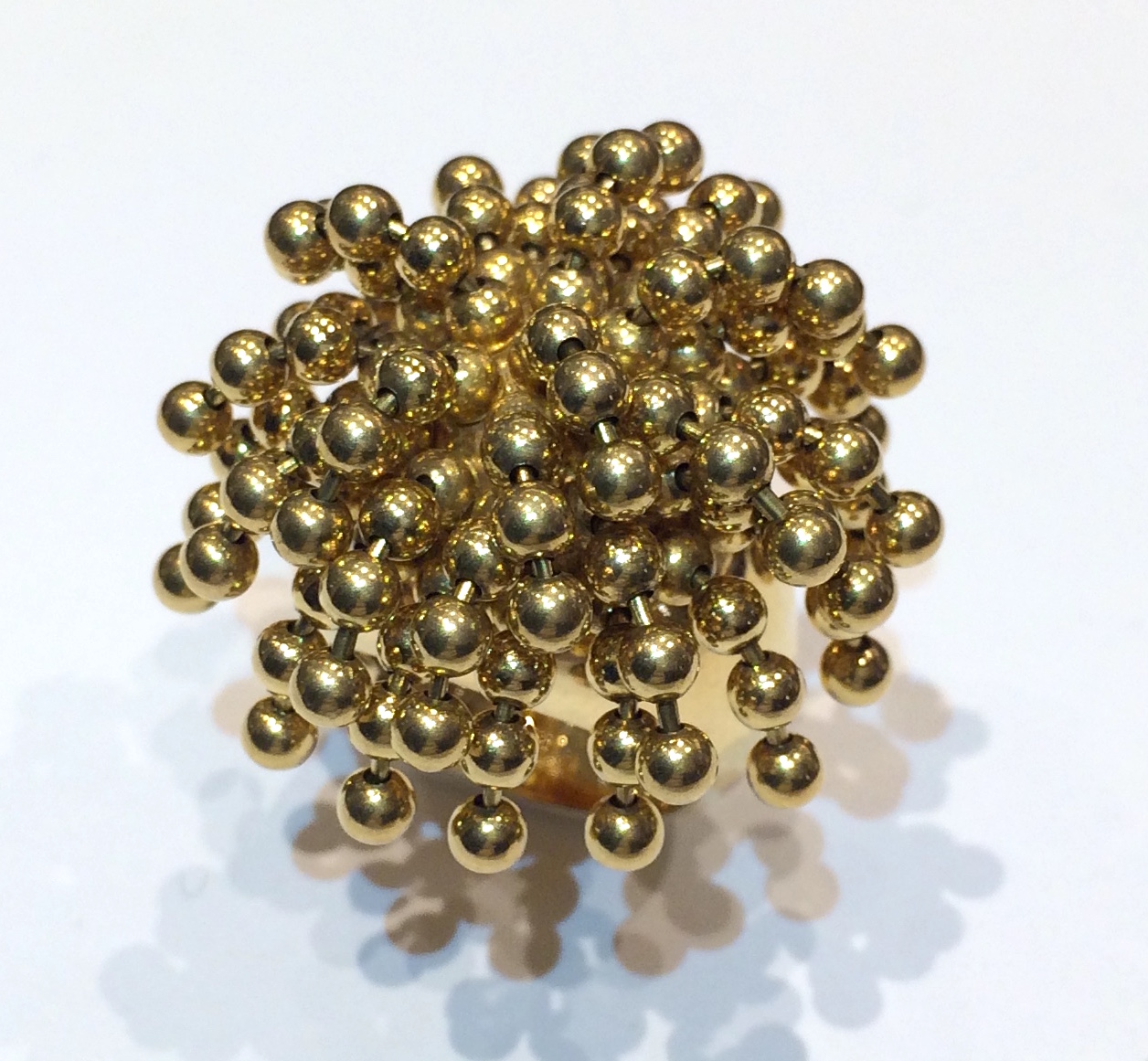
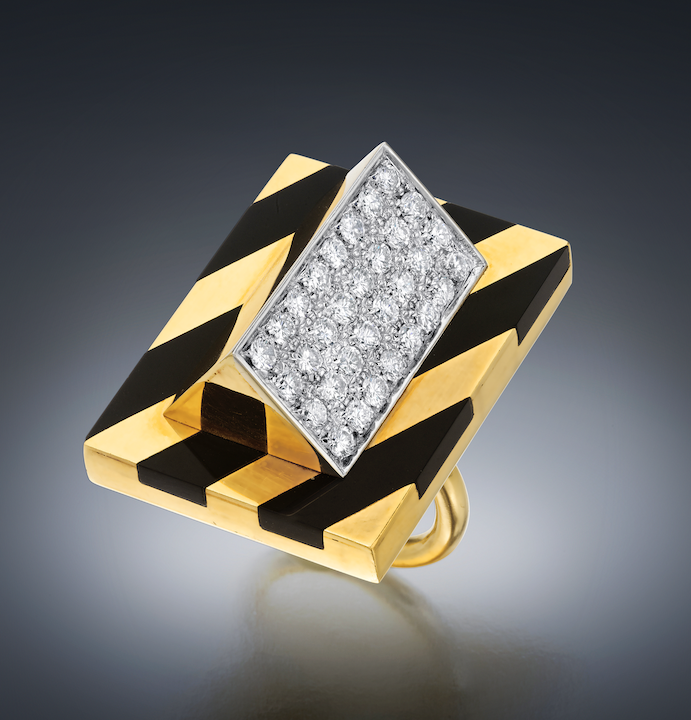
Ettore Sottsass / Cleto Munari Diagonal stripe and pyramid ring, 18K gold architectural with inset onyx stripes on a diagonal, inset with approx. 8 carats TW of pave diamonds, signed, c. 1985

Ettore Sottsass / Cleto Munari ring illustrated in Jewelry By Architects: From the Collection of Cleto Munari by Barbara Radice (Rizzoli, 1988)
Ettore Sottsass / Cleto Munari Diagonal stripe and pyramid ring, 18K gold architectural with inset onyx stripes on a diagonal, inset with approx. 8 carats TW of pave diamonds, signed, c. 1985
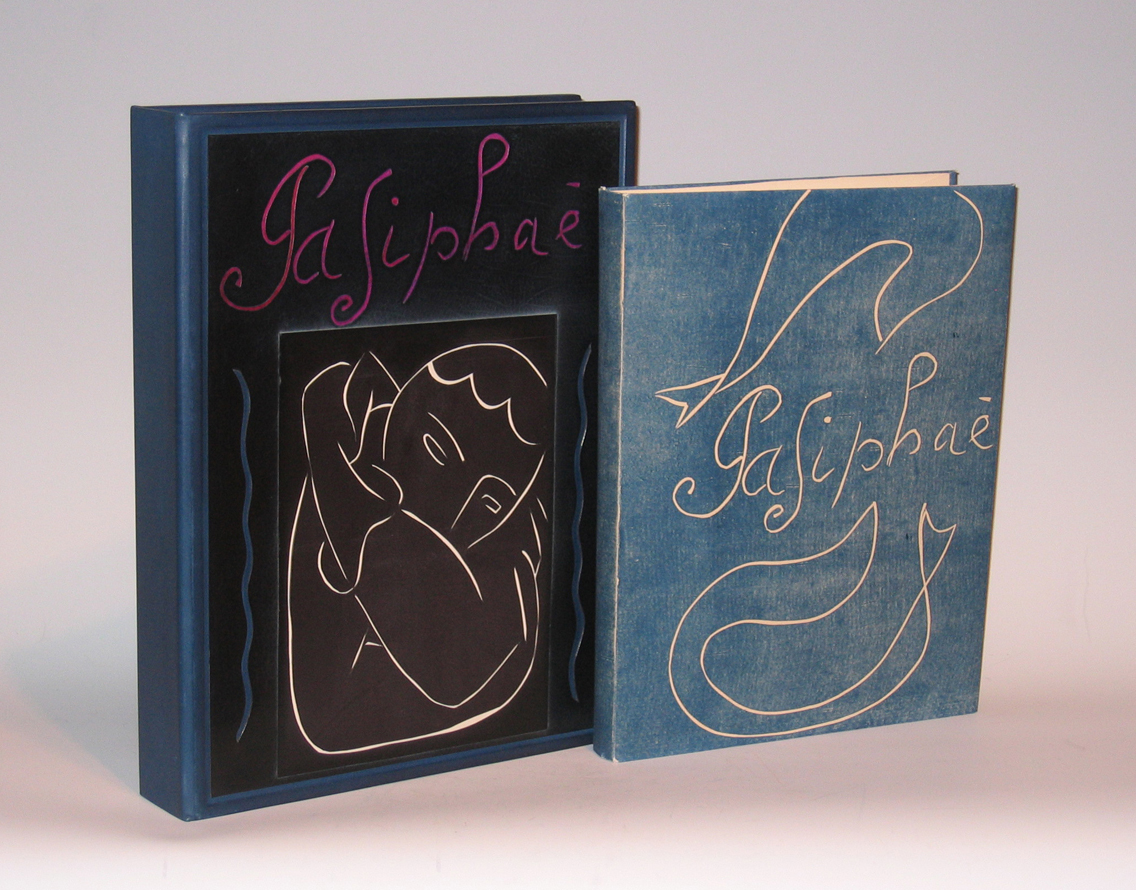
HENRI MATISSE (1869-1954) France
“Pasiphae” 1944
Limited edition No. 48/250.
Published by Martin Fabiani, Paris.
Dimensions:
Book: H: 13 3/16” x W: 10 3/8”
Custom leather box: H: 15 1/4” x W: 11 11/16” x D: 2 5/8”
Custom cloth slipcase: H: 16 1/8” x W: 12 3/16” x D: 3”
Signed by Matisse on the justification page.
Matisse’s Pasiphae is a singularly thrilling work and the plates were destroyed after the printing of this edition.
“A Contemporary retelling of the story of Parisphae and the Minoan bull was the impetus for one of Matisse’s most intensive printmaking experiences. Working with linoleum, a fairly easy material to use, Matisse cut many blocks of each image to achieve the perfect flow of line and relationship of forms. Intent on matching the spirit and ambience of the classical tale, Matisse took as his model ancient Greek playground vase painting”.
BLACK STARR & FROST New York, NY
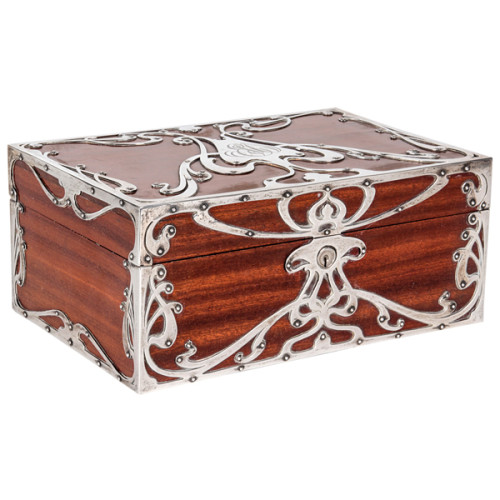
Art Nouveau Sterling and Mahogany Jewelry Box c.1900
Mahogany jewelry box with thick sterling silver decorative graphic mountings in an elaborate Art Nouveau whiplash design, original key
Marks: Eagle mark (Company logo) BLACK STARR & FROST, Sterling
For more information see: American Jewelry Manufacturers, Dorothy T. Rainwater (West Chester, Penn.: Schiffer, 1988)
H: 4 1/2″ x W: 10 1/2″ x D: 7″
SOLD
One of America’s oldest fine jewelers, Black, Starr and Frost traces its roots to 1810. In that year, Erastus Barton and Frederick Marquand opened Marquand and Barton near New York’s Maiden Lane. The firm added and lost partners numerous times and it also frequently moved locations in accordance with the addresses of its prestigious clientele. Its merchandise was eclectic and greatly varied including, lamps, jewelry, paintings, porcelain, and artistic objects. In 1876, the firm changed its name from Black, Ball, and Co. to Black, Starr, and Frost, and moved to 251 Fifth Avenue. Its inventory became focused on jewelry and silver objects, some imported from Europe, some produced in-house. For many decades, the renowned jewelry house, Black, Starr, and Frost was considered one of the great American jewelers. In 1876, it was invited to exhibit at the Centennial Exposition in Philadelphia along with renowned firms like Tiffany & Company, Whiting, and Gorham. In 1939, the firm was one of five American jewelers invited to exhibit at the New York’s World’s Fair. In 1929, it merged with Gorham to become Black, Starr, Frost – Gorham.